
ON THE DAY
What to expect at your scan
Every centre works slightly differently, and they will confirm the details when they contact you. This is what usually happens.
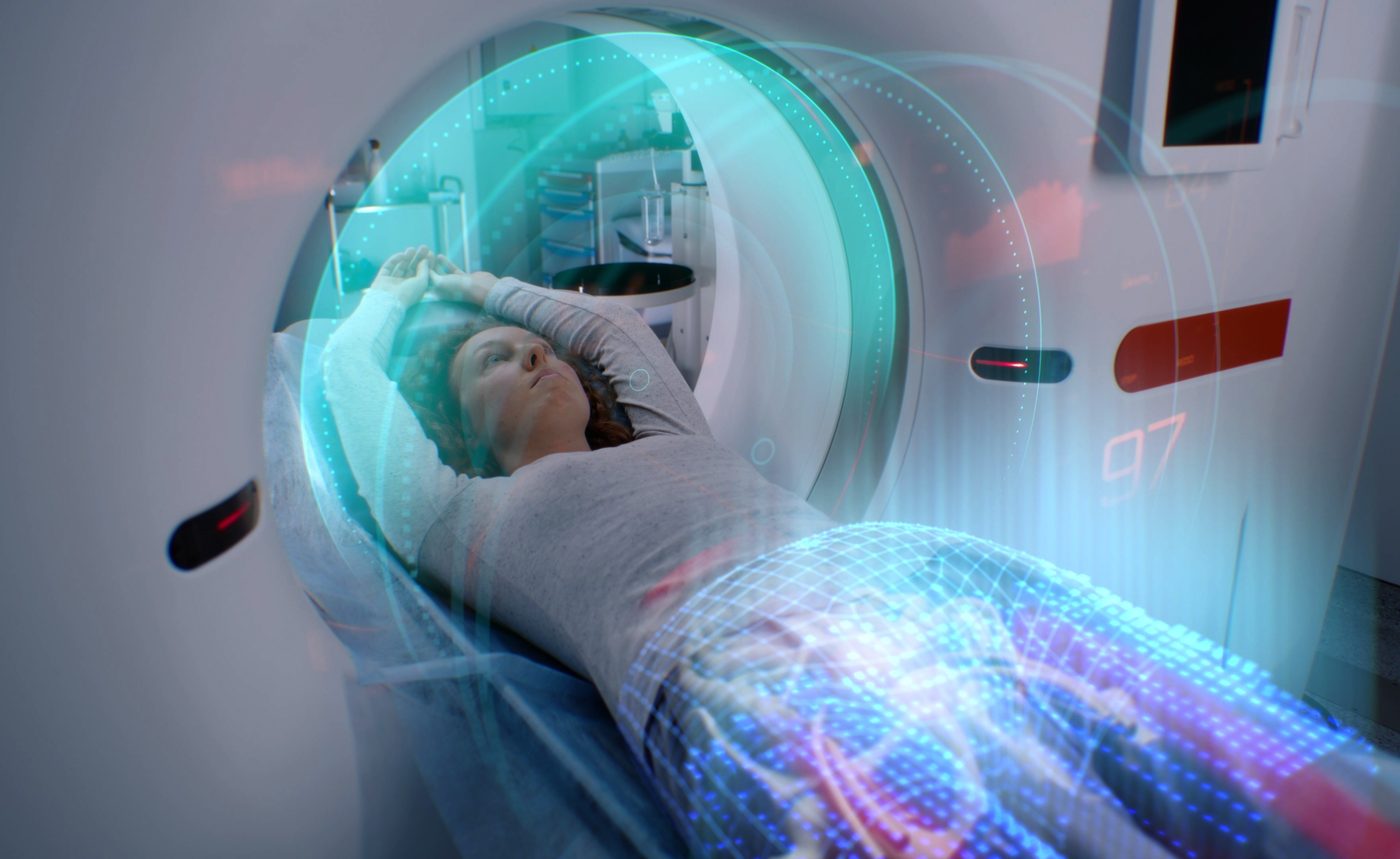
Before you go
Most scans need no preparation. Some abdominal ultrasound and MRI scans ask you not to eat for a few hours, and pelvic ultrasound often needs a full bladder. The centre tells you when they book you in.
MRI safety
MRI uses a strong magnet, so the centre will check for pacemakers, implanted devices, surgical clips, metal fragments in the eye and cochlear implants. Tell us on your GP call if any of these apply — it does not always rule the scan out, but it changes how it is done. If you are claustrophobic, say so early: some centres have wider bores, and open or upright MRI is available in London and Birmingham.
CT and X-ray
These use a small dose of radiation, which is why a doctor has to justify the scan. Tell us if you are or might be pregnant.
Contrast injections
Some scans need contrast through a small cannula in the arm. If your GP advises it, we add it to your booking. Your kidney function may need checking first.
How long it takes
- ECG: about 5 minutes
- X-ray: about 10 minutes
- Ultrasound: 15 to 30 minutes
- MRI, one area: 20 to 40 minutes
- Full body MRI: 45 to 90 minutes depending on the package
- CT: a few minutes of scanning, longer with contrast
Afterwards
You can drive and go back to normal activity straight away unless you have had sedation, which we do not arrange. The report comes to us, usually within a few working days, and your GP calls you to go through it.
- You have a pacemaker or implanted device
- You have metal fragments in your eyes
- You are or could be pregnant
- You have kidney disease
- You are claustrophobic
- You weigh more than 120kg or need a wider bore
None of these automatically rules out a scan. They change which scan, which centre, or how it is done.